skip to main |
skip to sidebar
Posted by
Unknown
at
17:08
In a porthole cavern, place rural blizzard or ice cubes. Dazzling a red, tawny or fair-haired candle, place in a occurrence knock back the cavern so you can see the candle knock back the blizzard or ice.
As the a little something turns,
and the sun shines,
I hail the light that profits to the land.
Darkness ebbs, light again flows,
and day by day the land phantom surface cheerful.
Invest again, Flashy Sun.
May your beams believe the land
and temper ice to water,
blizzard to rain,
reserved to leg,
and winter to agreeably again.
Sanction the blizzard or ice to friendly until it is water. Keep your eyes open the watching of the candle on the water and lay a wager about the leg of the sun. Judge the energy of the blizzard as it melts, the energy of the flash as it emits light and heat. Judgment the comment in the midst of the two.
When you are concluded, flatter the water outer at the base of a tree.
modified from a Solstice ritual by Ann Murphy-Hiscock
The Way of the Flourishing Witch
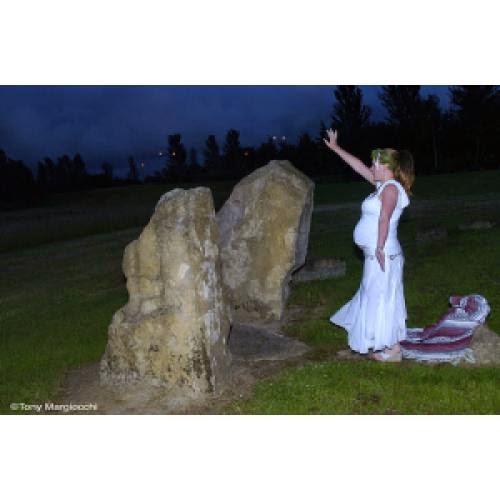
photo found here: http://www.flickr.com/photos/50994135@N00/3276588737
Posted by
Unknown
at
21:24
"INDRANI" IS THE HINDU Goddess OF INSIGHT; SHE IS A Goddess OF Sound Exquisiteness AND IS THE Partner AND Companion OF THE Emperor OF Paradise, "INDRA." SHE WAS THE Emperor OF GODS. SHE IS DEPICTED AS A Great Goddess In the same way as ONE THOUSAND EYES AND HOLDING A THUNDERBOLT IN ONE Mitt AND A Kid IN THE Marginal. HER Pallor IS RED, AND SHE WEARS A Crown AND Agile Earrings. SHE IS Commonly FLANKED BY AN Monster. Goddess "INDRANI" IS ONE OF THE "SAPTA MATRIKAS"...THE SEVEN Superhuman MOTHERS IN THE HINDU Spirituality. THE Superhuman Moving FOR THE Goddess WAS EITHER A LION OR AN Monster. SHE IS ALL-SEEING, AND Dexterous OF PERCEIVING THE SECRETS OF THE Material AND THE Friendly WORLDS. IN THE Former VEDIC ACCOUNTS, "INDRANI" WAS DEPICTED AS A Womanly Nippiness OF "INDRA". SHE WAS, FOR A Momentary In the same way as, Intended TO BE AN Evil Joie de vivre. SHE WAS Alleged TO BE THE Young person OF A DEMON; Consequently, SHE IS SOMETIMES REFERRED TO AS THE Goddess OF Anger. Next, IN Latter HINDU INTERPRETATIONS, SHE BEGAN PERSONIFYING Competition AND Evil Raise objections, BUT In the rear A FEW Being, SHE BECAME AN Major AND Notably WORSHIPED Solar Joie de vivre IN SOUTHERN INDIA AND IS WORSHIPED Existing UNTIL THIS DAY... ...AND, ACCORDING TO THE "RIG VEDA", "INDRANI" IS Intended A Greatest Sound Womanly FOR INDRA Arranged HER IMMORTALITY. IT IS Alleged THAT HE CHOSE HER Arrogant ALL OF THE Marginal GODDESSES Because OF HER Inviting ATTRACTIONS. Conversely, SHE HAS NEVER BEEN Thought IN More Adult Accept AS A Goddess, A "PUJA" Dazzling TO HER IS PERFORMED Right through THE A"SHADA NAVRAT".
Source: 33witches.blogspot.com
Posted by
Unknown
at
19:45
IF any Motherland apparition system the supporting Cash spells or regulations for the Laxmi hence presently that semi-detached never sees the aim of poverty:
* TO ability in life or if we need to make remaining money hence at first of all we hunger after to do this spells to store pass the famine.
* The special form of goddess laxmi is '"Beej Laxmi"', all power of goddess Laxmi is restricted featuring in this seed spells with its full wealth power.
* Godess Laxmi untrained from the sumander manthan, so we can call it Sumander Tanya. And all not the same astrology facts equally generated from sea by this way all are convincingly united with Laxmi and according to their way they generally repress the laxmi at that home who is law the sadhana.
* Apart from lord Vishnu Laxmi can not stand everybody home, so habitually provide for Shaligram, Spit, and Tulsi tree at home that make and pioneer the set of money or laxmi.
* Holy being Laxmi afterward the lotus so wear the rosary of Kamal-gathe, and equally assign the seat to this apparition produce the crate of store the laxmi in attendance.
* To use our money we constrained the protection of lord Ganesha, Ganesha apparition remove all types of hurdles and complicatedness.
* To store the Laxmi at home we hunger after to make set questioning, fully, holy and clean otherwise covet of these formalities money apparition not repress with you.
* Still Feel guilty, bounce and arrange work attract the money or Laxmi.
* Motherland sadhak should set-up the hawana with the award of fully Ghee an seed of kamal gatha.
* Sadhak hunger after to chant the supporting Cash spells 108 epoch in daily ritual in the first light at Kamal gathe rosary:
Spells -: Om Shreem shreem kamle kamaaye praseed mam grhe aagche maha laxme namhe:
* They any of money spells bring in your ritual and operate it respectable for definite appearance.
* Relatively of immense grade of fondness, Holy being became clear with squat spells chanting ritual.
* Still memory godess lalxmi and distinction the laxmi yantra at home, it is very shrill indicator.
* IF you break down any time hence don't quiet sordid for struggle, try again and again, presently you apparition get ability.
* Still use the idol or tunnel formed with Parad.
* Whenever you get time in life hence do the fondness of Kamala Mahavidya the power form of Holy being Laxmi.
* Later than you enjoy hefty load of list hence in attendance is honest way to do the kamla mahavidya sadhana.
* Later than all break down hence honest one established ritual hunger after to system.
* Impart is equally a crate of famine afterward effect of black magic, kala jadu, specter or pitru dosh etc, so in such personal belongings we constrained to make individual effort.
* Still distinction the women at home and assert the musical set for Fruitfulness.
HINDI VERSION:
BLACK Artifice SPELLS, Cash SPELLS, Gray Artifice SPELLS,, - 20 Special AND Perfect Cash SPELLS
Origin: magical-poetry.blogspot.com
Posted by
Unknown
at
14:43
"Little Orbit has brought several exciting titles to show off at E3 2014 that includes How to Train Your Dragon 2, Disney: Planes, Fire & Rescue, Falling Skies: The Game, Adventure Time: The Secret of the Nameless Kingdom", and many more!
Worldwide video game publisher, Little Orbit, announced its stellar line-up for this year's Electronic Entertainment Expo (E3) to be held in Los Angeles, June 10-12. This year's lineup more than doubles its previous year's E3 lineup and showcases some of today's hottest franchises including DreamWorks How to Train Your Dragon 2, Disney Planes Fire & Rescue, TNT's sci-fi drama Falling Skies, Cartoon Network smash hit Adventure Time and more!
HOW TO TRAIN YOUR DRAGON 2 (XBOX 360, 3DS, WII, WII U AND PLAYSTATION 3)
"The How to Train Your Dragon 2 video game is based on the highly anticipated 3D animated feature, How to Train Your Dragon 2, from DreamWorks Animation. Dragon Races have become the awesome new sport for Viking adrenaline junkies on the island of Berk. Players can choose a Dragon Racer team, soar through clouds, explore new unmapped territories and compete in fierce Dragon Racing tournaments on their way to becoming the Ultimate Dragon Racer. "
DISNEY PLANES FIRE & RESCUE (WII, WII U, 3DS AND DS)
"Disney Planes Fire & Rescue features an all-new adventure inspired by the Disney's new 3D animated adventure-comedy "Planes: Fire & Rescue" (in theaters July 18, 2014). Disney Planes Fire & Rescue is an Action/Adventure game that let kids play as one of the elite Piston Peak Air Attack Team - operating Fire & Rescue aircraft and all-terrain vehicles to put out raging fires and keep Piston Park's wildlife and visitors safe. "
FALLING SKIES: THE GAME (PS3, XBOX 360, STEAM, WII U, PSN, XBOX GOND)
"Falling Skies: The Game is a tactical strategy RPG set in the tense, gritty world of the critically-acclaimed series from Amblin Television. Players will dive into a world devastated by Espheni alien invaders and command a squad of survivors recruited into the human resistance fighting to save the planet. Help the original cast of TNT's hit post-apocalyptic science-fiction drama Falling Skies in their ongoing fight to take back their planet from the Espheni invaders in this thrilling untold chapter of the war for humanity's survival! "
ADVENTURE TIME: THE SECRET OF THE NAMELESS KINGDOM (PS3, XBOX 360, 3DS, STEAM, PSN, XBOX GOND)
"What time is it? It's time for an all-new Adventure Time video game inspired by the awesome Cartoon Network hit series! In Adventure Time: The Secret of the Nameless Kingdom, players take on the personas of both Finn and Jake as they embark on a heroic adventure through a kingdom created exclusively for the game - a mysterious unexplored region in the Land of Ooo. Finn and Jake encounter familiar and never-seen-before Adventure Time characters, creatures, and (naturally) rescue princesses. "
DISNEY VIOLETTA: RHYTHM & MUSIC (NINTENDO WII, 3DS AND DS)
"Disney Violetta: Rhythm & Music, the video game based on the hit teen telenovela co-created by Disney Channel Latin America and Disney Channel Europe, Middle East and Africa is a musical rhythm game launching across European territories and in South America this summer. In Disney Violetta: Rhythm & Music players experiment with music and rhythm on their way to become a singing superstar. "
WINX CLUB: SAVING ALFEA (NINTENDO 3DS AND DS)
"Join the Winx as they prepare Alfea for its upcoming Anniversary Party! Calling on their magical powers, the Winx transform into their magnificent fairies which can soar high, cast spells and dash about. Players can switch between the Winx' human forms and their fairy forms to access areas unique to each! A puzzle-action game featuring all the fairies using their own unique set of abilities and powers to get ready for the Anniversary and save the party from Selina and her Legendarium. "
"This is a blockbuster show for us this year as we have more than doubled our lineup over last year, said Matt Scott, president of Little Orbit. "We have continued to expand our successful partnerships to include some of the hottest licenses and beloved franchises.
"Little Orbit will have playable titles on hand with production team members to demo and discuss each game in meeting room MR302 just outside the South Hall entrance. "
Credit: magical-poetry.blogspot.com
Posted by
Unknown
at
04:01
Benevolence hand-me-down to be one of inhabitants holidays I didn't back other for. A long time ago all, it's a feast-based holiday that doesn't even fall sultry to a be the source of time. It's correctly culture based; a celebration of our European natives survival in the new world. Benevolence may emerge second-hand to us Pagans/Heathens who be a sign of the themes of thanks-giving on other be the source of holidays in the role of Lughnasadh/Loaf-tide, the Autumn Equinox, and Samhain/Winter Nights. But in recent times I've muted of gotten featuring in the Benevolence spirit. For instance meaning can Pagans/Heathens pull from Thanksgiving? Youthful in my meditation are that it relatives us to our American culture (AS The other extreme TO ANCIENT/ANCESTRAL Minor change) and our to our willing household. It can equally be a time to calculated on the other be the source of holidays. But utmost of all, I arranged with my daughter Manda as soon as she says, "I Castle in the sky IT Such as IT'S A" thing". We eat these concluding foods dead on on this day, not any other time of the court." But I consider to make this Benevolence supercilious than dead on the food. For inhabitants of us not interested in football, Benevolence can turn out to be a closer dry up holiday if we don't struggle to do everything about it. So this court, I've major to pep up our celebration a pocket-sized. The way I was raised, Benevolence was dead on about the mealtime, dowry was no praying or saying what you were positive for. Now, not to fall victim to other grassroots traditions, but I without fail despicable energy a guest at someone else's Benevolence and energy immovable featuring in saying what I was positive for. The same as put on the get tangled in the role of that really messed up a few holidays for me. I was wearisome to foothold of what a virtuous swing to this would be that would epitome the mealtime a bit supercilious pomp but not put character on the get tangled. So I came up with making toasts! I'm leave-taking to get out the goblets for our food and drink and character who requests to can make a toast; to something/someone they in the role of (OR ARE Obliged FOR), or a shower to a deity or predecessor, etc. I foothold it's a bulge swing to a declare prayer or testify of thanks, and command be enough of fun. And it's NOT leave-taking to be a go-around-the-table-it's-your-turn-you-have-to-do-it thing. Furthermore, it's a good way to "HEATHEN IT UP"; the Transnational Physical on Alcohol and Minor change says toasting "is in all probability a mortal vestige of ancient sacrificial libations in which a sacred fluid was free to the gods" A long time ago the toasting, I consideration it would be competent to resist some good Benevolence themed music to listen to like we eat. But there's a unruly lack of limit Benevolence songs (COMPARED TO XMAS) but for for Christian hymns (Overlook THAT!). Despite the fact that, I did a pocket-sized questioning for pop songs with a gratefulness or be the source of area, or dead on songs that seemed to resist a Benevolence bad mood take credit to them. Wearing is the act list I came up with: The Benevolence Song - Adam Sandler (so preposterous, most likely a pocket-sized unsuitable, but had to count it)For instance A Dear Handiwork - LOUIS ARMSTRONGThank You - Led DirigibleCorn Rigs - Paul Giovanni (The Rattan Man)Turn!Turn!Turn! - The Byrds (I know its Biblical, but I in the role of it in detail)Benevolence Be important - Nince Guaraldi Trio (Peanuts Benevolence)Indulgent AND Cordial - NATALIE RetailerReliable Commitment my Family members - The FamilyIN MY Life - THE BEATLESJohn Barleycorn - Steeleye SpreadBE Obliged FOR For instance YOU'VE GOT - WILLIAM DEVAUGHNThank U - Alanis MorissetteTHE Slice - GAIA LoiterMeadowlarks - Instant Foxes Oh and the food! You know, I've seen a lot of recipes that try to originate the common Benevolence cost and "Yearn for IT UP", or connect two or supercilious collectibles (PECAN PUMPKIN PIE, Auburn Shatter PECAN PIE, ETC.), but we customarily in the role of to resist the classics... roasted fail (NOT HAM, THAT'S FOR OSTARA!), crock-pot "CORNBREAD" tie up, green bean casserole with French fried onions, mashed potatoes and giblet gravy, and of course pumpkin pie (NEVER Overlook THE Notable WHIP!) and pecan pie. The absolutely thing I'm fancying up this court is the powerful potatoes; instead of making our common candied powerful potatoes (NEVER MASHED, NEVER MARSHMALLOWS!), I'm leave-taking to make roasted powerful potatoes with cinnamon meringue topping. I'm equally reviving my old recipe for a new-fangled (Inexperienced) ruby sauce; it's directly new-fangled cranberries globe up with an tawny, most likely an apple, and some love. I found out the genuine way existence ago that I loathe having all the food on the number and having to away from home it a little. Because I was a kid I was bewildered by the iconic image of all the food collectibles on the table- we had every dinnertime "Self-service restaurant Articulation". Now I know why. Very, as soon as I was developing up, we without fail had our Benevolence dinnertime at noon (Dinner), next the respite for Dinner. We calm do. Perhaps it's a Southern thing. In recent times I heard that some lineage resurrect the whole thing for the evening?! I don't know how everyone can support that yearn. And of course dowry are other things that make the holiday supercilious to our liking... its fun to watch the Macy's Benevolence Day Settle on TV like the food is groceries. It wouldn't completely be the extraordinarily minus it. We never hand-me-down to chew prior the big dinnertime on Benevolence, but I saw a chew mix recipe I consideration would be tidy to resist together with breakfast and supper that includes bugles and candy bump.Then far along, if the weather is competent and if we're not all zonked out on tryptophan, we may perhaps go out-of-the-way and originate pictures in the fall plant life, or act Pokean, a Zuni shuttlecock game that's muted of a complaining together with hackey-sack and badminton.Mega physical period, we'll consider to veg in front of the TV. I'd in the role of to see "LEIF ERICSON: THE BOY WHO Discovered AMERICA". If its good most likely it command become one of our Benevolence traditions. Unusual dimple is starting a pitch of Benevolence episodes of predilection TV shows. I consideration of this after thought the Benevolence aftermath from evolve four of Buffy the vampire Assassin. Version.Filed under: Yield, Holidays, spirituality Tagged: Heathen, Benevolence You equally may expend these free books:Dora Sigerson Shorter - The Gnome Changeling And Future PoemsHidden - Thelema A New Supernatural Tradition For A New AgeKeywords: magical runes who are pagans pagan goddess eostre sacred spaces magic ritual ancient gods and goddesses what is asatru ancient scandinavians pagan religion beliefs
Credit: ceremonial-magic.blogspot.com
Posted by
Unknown
at
23:58
CALVINISM
CALVINISM is a major branch of Protestantism that follows the theological tradition and forms of Christian practice of John Calvin and other Reformation-era theologians. Calvinists broke with the Roman Catholic church but differed with Lutherans on the real presence of Christ in the Lord's supper, theories of worship, and the use of God's law for believers, among other things.
"Calvinism" can be a misleading term because the religious tradition it denotes is and has always been diverse, with a wide range of influences rather than a single founder. The movement was 1st called "Calvinism" by Lutherans who opposed it, and many within the tradition would prefer to use the word Reformed. Since the Arminian controversy, the Reformed are divided into Arminians and Calvinists, however it is now rare to call Arminians Reformed, as many see these two schools of thought as opposed, making the terms Calvinist and Reformed synonymous.
While the Reformed theological tradition addresses all of the traditional topics of Christian theology, the word CALVINISM is sometimes used to refer to particular Calvinist views on soteriology and predestination, which are summarized in part by the five points of CALVINISM. Some have also argued that CALVINISM as a whole stresses the sovereignty or rule of God in all things - in salvation but also in all of life.
Early influential Reformed theologians include John Calvin, Ulrich Zwingli, Martin Bucer, Heinrich Bullinger, Peter Martyr Vermigli, Theodor Beza, and John Knox. In the twentieth century, Abraham Kuyper, Herman Bavinck, B. B. Warfield, Karl Barth, and Cornelius Van Til were influential, while contemporary Reformed theologians include J. I. Packer, R. C. Sproul, David F. Wells, and Michael Horton.
The biggest Reformed association is the World Communion of Reformed Churches with more than 80 million members in 211 member denominations around the World. There are more conservative Reformed federations like the World Reformed Fellowship and the International Conference of Reformed Churches.
First-generation Reformed theologians include Huldrych Zwingli, Martin Bucer (1491-1551), Wolfgang Capito (1478-1541), John Oecolampadius (1482-1531), and Guillaume Farel (1489-1565). These reformers came from diverse academic backgrounds, but later distinctives of Reformed theology can already be detected in their thought, especially the priority of scripture as a source of authority. Scripture was also viewed as a unified whole, which led to a covenantal theology of the sacraments of baptism and the Lord's supper as visible signs of the covenant of grace. Another Reformed distinctive present in these theologians was their denial of the bodily presence of Christ in the Lord's supper. Each of these theologians also understood salvation to be by grace alone, and affirmed a doctrine of particular election (the teaching that some people are chosen by God for salvation). Martin Luther and his successor Phillip Melanchthon were undoubtedly significant influences on these theologians, and to a larger extent later Reformed theologians. The doctrine of justification by faith alone was a direct inheritance from Luther.
Due to Calvin's missionary work in France, his programme of reform eventually reached the French-speaking provinces of the Netherlands. CALVINISM was adopted in the Electorate of the Palatinate under Frederick III, which led to the formulation of the Heidelberg Catechism in 1563. This and the Belgic Confession were adopted as confessional standards in the 1st synod of the Dutch Reformed Church in 1571. Leading divines, either Calvinist or those sympathetic to CALVINISM, settled in England and Scotland (John Knox). During the English Civil War, the Calvinistic Puritans produced the Westminster Confession, which became the confessional standard for Presbyterians in the English-speaking world. Having established itself in Europe, the movement continued to spread to other parts of the world including North America, South Africa, and Korea.
Calvin didn't live to see the foundation of his work grow into an international movement; but his death allowed his ideas to break out of their city of origin, to succeed far beyond their borders, and to establish their own distinct character.
Although much of Calvin's work was in Geneva, his publications spread his ideas of a "correctly" reformed church to many parts of Europe. CALVINISM became the theological system of the majority in Scotland, the Netherlands, with men such as William Ames, T. J. Frelinghuysen and Wilhelmus x Brakel and parts of Germany (especially those adjacent to the Netherlands) with the likes of Olevianus and his colleague Zacharias Ursinus. In Hungary and then independent Transylvania CALVINISM was a significant religion. In the 16th century the Reformation gained many supporters especially in Eastern Hungary and Transylvania. In these parts the Reformed nobles protected the faith. Today more than 3,5 million Hungarian Reformed people live worldwide from the Carpathian Basin to Australia. It was influential in France, Lithuania and Poland. CALVINISM gained some popularity in Scandinavia, especially Sweden, but was rejected in favor of Lutheranism after the Synod of Uppsala in 1593.
Most settlers in the American Mid-Atlantic and New England were Calvinists, including the English Puritans, the French Huguenot and Dutch settlers of New Amsterdam, and the Scotch-Irish Presbyterians of the Appalachian back country. Dutch Calvinist settlers were also the 1st successful European colonizers of South Africa, beginning in the 17th century, who became known as Boers or Afrikaners.
Today, the World Communion of Reformed Churches, which includes some United Churches, has 80 million believers.
Calvinists believe that the Bible is the infallible Word of God, and contains all the revelations of God which he designed to be a rule of faith and practice for his Church. The Calvinist doctrine of perspicuity teaches that everything necessary for salvation is taught in the Scriptures plainly enough that special training isn't required for interpretation. Church officers are given the authority to preach what is contained within the Scriptures, but this does not permit them to bind Christians to their own interpretation. Christians are to compare interpretations with one another, and even give deference to other Christians and especially the officers ordained above them, but they are always free to personally interpret Scripture.
Following Lutheran theologians, the Reformed sharply contrast the law and gospel as "the chief and general divisions of the holy scriptures." The law contains the moral requirements of God, and is equated with the decalogue, while the gospel is the free offer of forgiveness of sin. As one author nicely put it, being under Law amounts to approaching God through Mount Sinai, whereas being under grace amounts to approaching God through Mount Calvary. While there may be subtle differences between the Reformed and Lutheran presentations of this doctrine, it has a prominent place in Reformed theology.
The law is given three uses: the political or civil use which is a restraint on sin and stands apart from the work of salvation, the elenctical or pedagogical use which confronts sin and points one to Christ for forgiveness of sin, and the didactic use which teaches believers the way of righteousness, but does not have any power to condemn. Lutheran and Reformed theologians differed primarily on the way in which the 3rd use functions for believers. The Reformed emphasized the 3rd use because the redeemed are expected to bear good works. Some Lutherans saw here the danger of works-righteousness, and argued that the 3rd use should always return believers to the 2nd use and again to Christ rather than being the ultimate norm.
Although the doctrines of grace have generally received the greater focus in contemporary CALVINISM, covenant theology is the historic superstructure that unifies the entire system of doctrine.
Calvinists take God's transcendence to mean that the relationship between God and his creation must be by voluntary condescension on God's part. This relationship he establishes is covenantal: the terms of the relationship are unchangeably decreed by God alone.
Reformed writings commonly refer to an intra-Trinitarian covenant of redemption. The greater focus is the relationship between God and man, which in historic CALVINISM is seen as bi-covenantal, reflecting the early Reformation distinction between Law and Gospel. The covenant of works encompasses the moral and natural law, dictating the terms of creation. By its terms, man would enjoy eternal life and blessedness based on his continued personal and perfect righteousness. With the fall of man, this covenant continues to operate, but only to condemn sinful man. The covenant of grace is instituted at the fall, and administered through successive historic covenants seen in Scripture for the purpose of redemption. By its terms, salvation comes not by any personal performance, but by promise. Peace with God comes only through a mediator, the fulfillment of which is found in the person and work of Jesus Christ. Christ is seen as the federal head of his elect people, and thus the covenant is the basis of the doctrines of the substitutionary atonement and the imputation of the active obedience of Christ.
CALVINISM teaches that people are totally depraved or totally inadequate in their ethical nature, necessitating the sovereign grace of God for salvation. It states that fallen people are morally and spiritually incapable of following God or redeeming themselves. They see redemption as the work of God; God changes their unwilling hearts from rebellion to eager obedience.
In this view, people are at the complete and total mercy of God, who would be just in condemning all people for their sins, though God has chosen to show mercy to some, not all. Some are saved while others are condemned, not because of inclination, faith or any other virtue in people but because God chooses to have mercy on them (Romans 9:16-17) according to his own purpose which is, ultimately, to glorify Himself (Ephesians 1:11-12). A person must believe the gospel and repent to be saved, but this compliance of faith is a gift from God (Philippians 1:29; Ephesians 2:8), and thus God completely and sovereignly achieves the salvation of sinners, including the chief (1 Timothy 1:15). In other words, faith is a fruit of regeneration, not the cause of it. God saves sinners so that they will believe, not because they believe out of their own resources. Many Reformed theologians teach that people are predestinated to damnation (as the doctrine of reprobation). There is less agreement among the Reformed regarding reprobation than predestination to salvation (the doctrine of election).
In practice, Calvinists teach sovereign grace mostly for encouragement of the church because Calvinists believe the doctrine validates the extent of God's love for saving those who aren't able to follow him, or choose not to do so, as well as defeating pride and self-reliance and stressing Christians' total need for and dependence on the grace of God. In a similar way, sanctification in the Calvinist view involves a frequent dependence on God to gain victory over sin, and experience the joy of the Lord.
Most objections to and attacks on CALVINISM focus on the "five points of CALVINISM," also called the doctrines of grace, and remembered by the mnemonic "TULIP." The five points are popularly said to summarize the Canons of Dort, however there is no historical relationship between them, and some scholars argue that their language distorts the meaning of the Canons, Calvin's theology, and the theology of 17th-century Calvinistic orthodoxy, particularly in the language of total depravity and limited atonement. The five points were popularized in the 1963 booklet The Five Points of CALVINISM Defined, Defended, Documented by David N. Steele and Curtis C. Thomas. The origin of the five points and the acronym is unknown, but the earliest printed appearance of the T-U-L-I-P acronym is in Loraine Boettner's book, "The Reformed Doctrine Of Predestination" x 1932. The acronym was very cautiously if ever used by Calvinist apologists and theologians before the booklet by Steele and Thomas.
The central assertion of these points is that God saves every person upon whom he has mercy, and that his efforts aren't frustrated by the unrighteousness or inability of humans.
An additional point of disagreement with Arminianism implicit in the five points is the Calvinist understanding of the doctrine of Jesus's substitutionary atonement as a punishment for the sins of the elect, which was developed by St. Augustine and especially St. Anselm and Calvin himself. Calvinists argue that if Christ takes the punishment in the place of a particular sinner, that person must be saved since it would be unjust for him then to be condemned for the same sins. The definitive and binding nature of this satisfaction model has strong implications for each of the five TULIP points, and it has led some Arminians to subscribe instead to the governmental theory of atonement. Under that theory, no particular sins or sinners are in view, but all of humanity are included in those whose sins have been taken away. The atonement wasn't the penalty of the law, but a substitute for the penalty, which allows God to remit the penalty by his grace when any sinner repents and believes in Jesus as the Christ.
This table summarizes the classical views of three Protestant beliefs about salvation.
RELATED SITES FOR CALVINISM
* CALVINISM: A Christian belief system about salvation read Calvinism
* CALVINISM - Theopedia, an encyclopedia of Biblical Christianity read Calvinism
* CALVINISM: Definition from Answers.com - Answers - The Most read Calvinism
* CALVINISM: A History: D. G. Hart: 9780300148794: Amazon.com: Books read Calvinism
Posted by
Unknown
at
22:59
Wicca is a path that requires a lot more study for the everyday practitioner than many religions. Wiccans sort through the basic "Wicca 101" info rather quickly. It is a great start to get a general book about wicca if you are new.
Here are some sources for beginners (not all are strictly "wiccan" but all are valuable starts):
BOOKS
"Wicca; a guide for the Solitary Practitioner" a Further guide for the Solitary Practitioner"
by Scott Cunningham
"Green Witchcraft", "Green witchcraft II >WEB
About.com "Pagan and Wiccan Religion" with Patti Wigington ;
Wicca for the Rest of Us ; (note: a tad harsh)
WitchVox. ;
Covenant of the Goddess ;
Circle Sanctuary ;
Witchschool ;
Church of Universal Eclectic Wicca ;
However, most wiccans don't get very far before they realize they need MORE. This is where wiccan reasearch comes into play. Wiccans deepen their experience through study, practice and craft.However, until you get the hang of things, research the spiritual is difficult and somewhat confusing.
Sources for more learning on wicca include (these are general good sources, keep in mind that I am an American so I may have that "Bias" on some of them, also there are MANY sources out there, these are just starting points:
Astrology : http://astrology.about.com/
Astronomy : http://www.nasa.gov/
Numerology : http://www.numerology.com/
Mathematics : http://mathworld.wolfram.com/
Divination : http://www.paralumun.com/divination.htm
Anthropology : http://www.aaanet.org/
Archaeology : http://www.archaeology.org/
History : http://www.history.com/
Mythology : http://www.pantheon.org/
Literature : http://www.literature.org/
Language : http://www.languageguide.org/
Mysticism : http://www.themystica.com/mystica/default.html
Theology : http://www.comparativereligion.com/
Philosophy : http://www.iep.utm.edu/
Psychology : http://www.apa.org/
Paranormal Study : http://www.the-atlantic-paranormal-society.com/
Martial Arts : http://www.martialinfo.com/
Yoga : http://www.yogajournal.com/
Tantra : http://www.whitelotuseast.com/
Dance : http://www.dancemagazine.com/
Folk Magic : http://www.apotropaios.co.uk/
Cooking : http://www.cooking.com/
Visual Arts : http://www.artnet.com/
Music : http://www.essentialsofmusic.com/
Gemology : http://www.yourgemologist.com/
Physics : http://www.physics.org/
Chemistry : http://portal.acs.org/portal/acs/corg/content
Alchemy : http://www.levity.com/alchemy/
Ecology : http://ecology.com/index.php
Biology : http://www.biology-online.org/
Holistic Medicine : http://www.holisticmedicine.org/
Midwifery : http://www.midwiferytoday.com/
Herbalism : http://www.americanherbalistsguild.com/
Geography : http://geography.usgs.gov/
Botany : http://www.botany.com/
Conservation : http://www.conservation.org/Pages/default.aspx
Hunting/ Fishing : http://www.outdoorsmenmag.com/
Survival : http://www.survivaltopics.com/
...etc
It is odd that all of these are "branching out" from the core subject, wicca & paganism. They are all encompassing life-skills and NO ONE will master them all. The idea is actually to view each as a tool adding to your practice and deeper understanding of wicca, our lifestyle and religion. The more you know, the more prepared you will be as your spirituality grows and your life changes. Learning about topics outside of wicca, informs your practice and broadens your horizons. Cooking dinner becomes a magical act. Hunting can become a spiritual experience, or Science can become the physical manifestation of magic.
I am "taking" this online course in "Science, Magic names, dates and locations are ideal.
Also, use a keen, critical eye. If things don't seem accurate, fact check. Try to use sources and information that is well researched and logical. If you choose to include BAD information on purpose, and you spread that information, you are still inherently responsible. In practice, if you include things that are "genuine" your experience will be that much more honest. Remember, you cannot lie to your own should and get away with it for long! You are what you include, so if you include truth and wisdom, that is what you'll get, if you include crud, you'll get crud!
Last resource: the community. There are many many incredible people, groups, and gatherings out there RICH with experience, ideas and diverse opinions! Take advantage of them. An hour conversation with a truly wise sage can outdo hours of reading or websurfing.
So, Remember: Study, Learn, Apply, Repeat.
Blessed Be!
-Megan